

How the GCC War Situation Could Impact Shipping, Freight Rates & Global Supply Chains
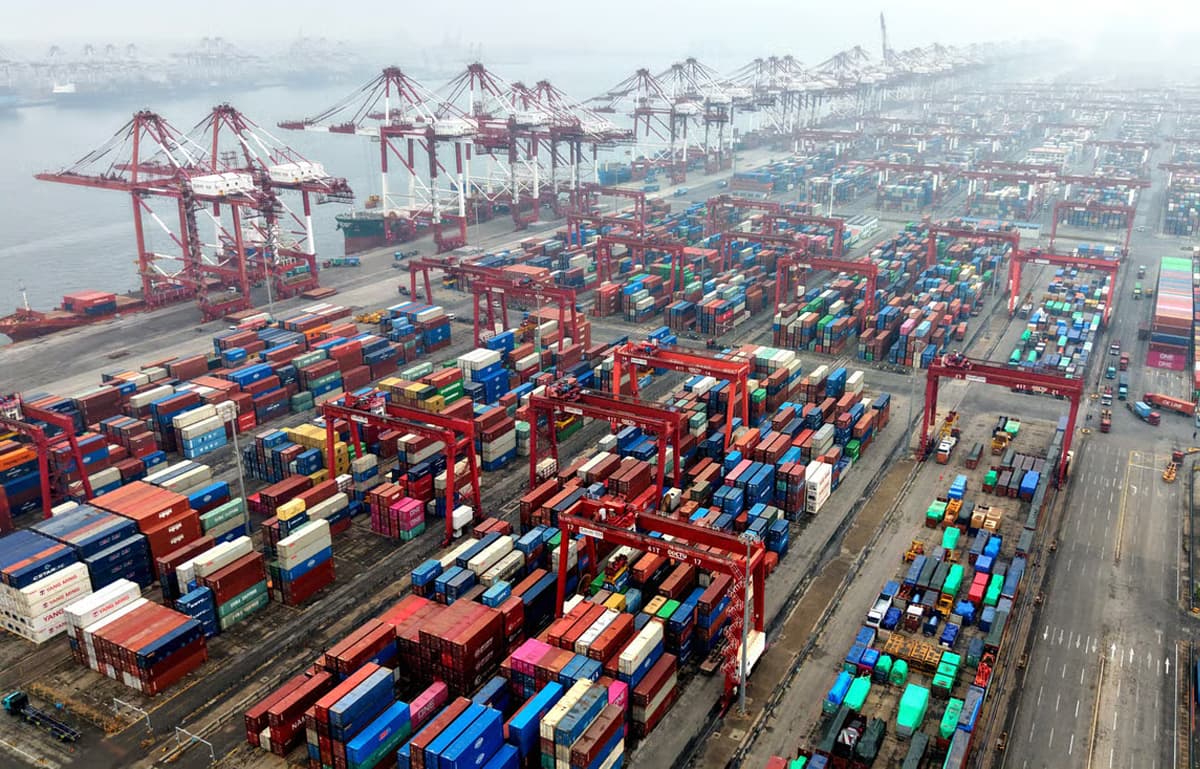
The Gulf Cooperation Council (GCC) region is one of the most strategically important areas for international shipping and global trade. With major commercial ports, energy transportation routes, and logistics hubs connecting Asia, Europe, and Africa, the region plays a vital role in the movement of goods worldwide.
However, the ongoing war in the Middle East is creating new challenges for the shipping and logistics industry.
Rising maritime security concerns, uncertainty around the Strait of Hormuz, potential vessel diversions, and changing operational conditions are affecting how businesses plan their cargo movements.
For importers, exporters, manufacturers, and freight forwarders, the situation raises an important question:
How could the ongoing GCC conflict affect shipping operations, transportation costs, and supply chain reliability?
Understanding these potential impacts can help businesses prepare for changing logistics conditions and make informed shipping decisions.
1. Why the GCC War Situation Matters for Global Shipping
The GCC includes the United Arab Emirates, Saudi Arabia, Oman, Qatar, Kuwait, and Bahrain.
These countries are connected to major international maritime routes and depend on shipping for the movement of commercial goods, industrial materials, machinery, consumer products, and energy resources.
The Strait of Hormuz is particularly important because it connects the Arabian Gulf with the Gulf of Oman and the Arabian Sea.
Any disruption or security concern affecting this strategic waterway can influence vessel movements and shipping operations across the region.
The International Maritime Organization has reported continuing concerns about commercial shipping and seafarer safety in the Strait of Hormuz and surrounding waters.
For the shipping industry, the consequences may extend beyond the immediate conflict zone, affecting cargo planning, vessel schedules, insurance, and transportation costs.
2. How the Conflict Could Affect Shipping Routes
One of the major concerns during a regional conflict is the possibility of changes to established maritime routes.
Shipping companies must evaluate the safety, operational feasibility, and commercial implications of every voyage.
Depending on the security situation, shipping lines may consider:
- Revising vessel schedules
- Adjusting port calls
- Delaying certain voyages
- Reviewing alternative maritime routes
- Changing transshipment arrangements
For cargo moving through the GCC, these changes may affect the expected delivery timeline.
The impact depends on the shipment's origin, destination, vessel routing, and the shipping service selected.
Alternative routes may also involve longer sailing distances and additional operating costs.
For businesses, this means that previously confirmed transit times should be reviewed regularly during periods of geopolitical uncertainty.
3. Potential Impact on Container Shipping
Container shipping is an essential part of GCC international trade.
Businesses rely on container transportation to move manufactured goods, retail products, machinery, construction materials, and other commercial cargo.
The current war situation could create several challenges for container shipping.
Container Availability
When vessel schedules change or cargo movements are delayed, containers may not return to their expected locations on time.
This can affect the availability of equipment for future shipments.
Businesses may need to confirm container availability earlier than usual, particularly for large-volume or time-sensitive cargo.
Vessel Schedule Changes
Shipping lines may revise their schedules depending on maritime security conditions.
Possible consequences include:
- Delayed departures
- Revised arrival estimates
- Missed transshipment connections
- Changes in vessel rotations
- Longer overall delivery times
Cargo Planning
Businesses shipping goods to or from GCC countries may need to adjust their cargo readiness dates and delivery commitments.
Close coordination between cargo owners, freight forwarders, shipping lines, and transport providers becomes increasingly important.
4. Could the GCC War Situation Increase Freight Rates?
Freight costs are influenced by several factors, including vessel capacity, fuel prices, cargo demand, route availability, and operating expenses.
During a geopolitical crisis, shipping companies may also face additional costs associated with maritime security and insurance.
Depending on the route and shipping service, businesses could experience changes in:
- Ocean freight rates
- War-risk insurance premiums
- Fuel-related charges
- Security-related surcharges
- Port and terminal charges
- Inland transportation costs
Longer vessel routes, where applicable, may increase fuel consumption and vessel operating expenses.
However, freight rates do not necessarily increase equally across all routes.
The actual cost depends on the shipping line, cargo type, origin, destination, applicable surcharges, and market conditions.
Businesses should request updated quotations and confirm the validity of freight rates before finalizing shipment arrangements.
5. Strait of Hormuz: A Critical Shipping Route During the Conflict
The Strait of Hormuz is a vital maritime passage connecting the Arabian Gulf with international shipping routes.
It is particularly important for countries and businesses that depend on cargo transportation through the Gulf.
The ongoing conflict has increased concerns about vessel security and safe navigation in the region.
Recent maritime reporting has highlighted attacks and security incidents involving commercial vessels in and around the Strait of Hormuz.
These developments can influence shipping decisions even when a particular vessel or shipment has not been directly affected.
For shipping companies, voyage planning may require continuous review of:
- Maritime security advisories
- Vessel operating conditions
- Port accessibility
- Insurance requirements
- Available shipping services
- Potential delays and operational restrictions
For cargo owners, the most important consideration is to confirm the actual status of their shipment rather than relying on general regional updates.
6. How the Conflict Could Affect GCC Ports
The GCC has several major commercial ports that support regional and international trade.
The operational impact of the conflict can differ depending on the location of the port, vessel movements, security conditions, and available shipping services.
Jebel Ali Port – UAE
Jebel Ali is a major international container and logistics hub.
Changes in vessel schedules and regional maritime conditions may influence cargo planning and shipping connections associated with the wider Gulf region.
Sohar Port – Oman
Sohar supports containerized cargo, industrial shipments, and commercial trade.
Its location makes it relevant for businesses shipping cargo to northern Oman and regional industrial markets.
Salalah Port – Oman
Salalah is strategically positioned near international maritime routes and serves as an important transshipment hub.
Depending on the shipping service, it may be considered for cargo movements connecting different international markets.
Hamad Port – Qatar
Hamad Port is an important commercial gateway for Qatar.
Businesses shipping cargo to Qatar should monitor vessel schedules, port updates, and shipping-line announcements.
Saudi Arabian Ports
Saudi Arabia's commercial ports support substantial cargo movements for the country's domestic and international supply chains.
The suitability of a particular port depends on the cargo destination, available shipping service, and transportation requirements.
Businesses should not assume that all GCC ports are closed or operating normally. Port and terminal conditions can vary, and current operational information should be confirmed before shipping.
7. Impact on Importers and Exporters
The GCC war situation could affect businesses in several ways.
Importers
Importers may experience uncertainty regarding cargo arrival dates, transportation costs, and inventory availability.
Businesses that depend on imported raw materials, machinery, or finished products may need to review their inventory planning.
Exporters
Exporters may need to reconsider shipment schedules, delivery commitments, and the availability of transportation services.
Communication with overseas buyers becomes particularly important when vessel schedules change.
Manufacturers
Manufacturers relying on imported materials may face challenges if cargo delivery timelines become uncertain.
Flexible production planning and early communication with logistics partners can help reduce operational disruption.
Retailers and Distributors
Retailers and distributors may need to review stock replenishment schedules and transportation arrangements.
The objective is to maintain supply chain continuity while managing transportation costs.
8. How Businesses Can Prepare for Shipping Disruptions
During periods of geopolitical uncertainty, businesses should take a proactive approach to logistics planning.
Plan Shipments Early
Early planning can provide more flexibility when vessel schedules or transportation arrangements change.
Confirm Shipping Schedules
Always verify the latest vessel departure and arrival estimates with the shipping line or freight forwarder.
Review Freight Costs
Request updated quotations and confirm which charges are included in the quoted freight rate.
Maintain Inventory Flexibility
Where commercially practical, review stock levels for critical materials and products.
Prepare Accurate Documentation
Ensure that commercial invoices, packing lists, bills of lading, certificates of origin, and applicable customs documents are accurate and complete.
Monitor Maritime Security Updates
Follow official maritime advisories, shipping-line announcements, and relevant port information.
A shipment-specific assessment is more useful than relying only on general news about the conflict.
9. The Importance of a Reliable Shipping Partner
The current GCC war situation highlights the importance of reliable logistics coordination.
Businesses need shipping partners who can provide accurate shipment information, communicate operational changes, and help evaluate available transportation solutions.
A reliable shipping partner can support businesses by helping them understand:
- Available shipping options
- Cargo movement requirements
- Updated vessel schedules
- Documentation requirements
- Freight quotation details
- Potential delivery challenges
Effective communication and careful planning can help businesses make better logistics decisions during uncertain conditions.
10. How CAERUS Shipping Can Help Your Business
At CAERUS Shipping, we understand that shipping reliability is essential for businesses involved in international trade.
Changing maritime conditions require careful planning, timely communication, and a clear understanding of cargo transportation requirements.
Businesses moving cargo through the GCC should evaluate their shipping requirements based on the current operational situation.
Whether you are planning container transportation, international cargo movements, or regional shipping arrangements, choosing the right logistics solution is an important part of maintaining supply chain continuity.
CAERUS Shipping is committed to supporting businesses with shipping solutions aligned with their cargo requirements and transportation needs.
Contact our team to discuss your upcoming shipments and explore suitable logistics arrangements.
Conclusion: Preparing for an Uncertain Shipping Environment
The ongoing GCC war situation has highlighted the importance of maritime security and supply chain flexibility.
The Strait of Hormuz, the Arabian Gulf, the Gulf of Oman, and other regional maritime routes remain important considerations for international shipping.
Potential changes in vessel schedules, container availability, freight costs, and transportation routes can affect businesses across the GCC and international markets.
However, the impact varies depending on the shipping route, cargo type, destination, and current operational conditions.
Businesses that monitor developments, plan shipments early, review freight quotations, and maintain communication with logistics partners can make more informed decisions.
As the regional situation continues to evolve, reliable shipping information and flexible logistics planning will remain essential for businesses involved in international trade.
Need a Shipping Solution for Your Business?
Planning cargo transportation to or from the GCC?
Contact CAERUS Shipping to discuss your shipment requirements and explore suitable shipping solutions based on your cargo, origin, destination, and delivery needs.
CAERUS Shipping – Your Partner in Global Shipping and Logistics.